
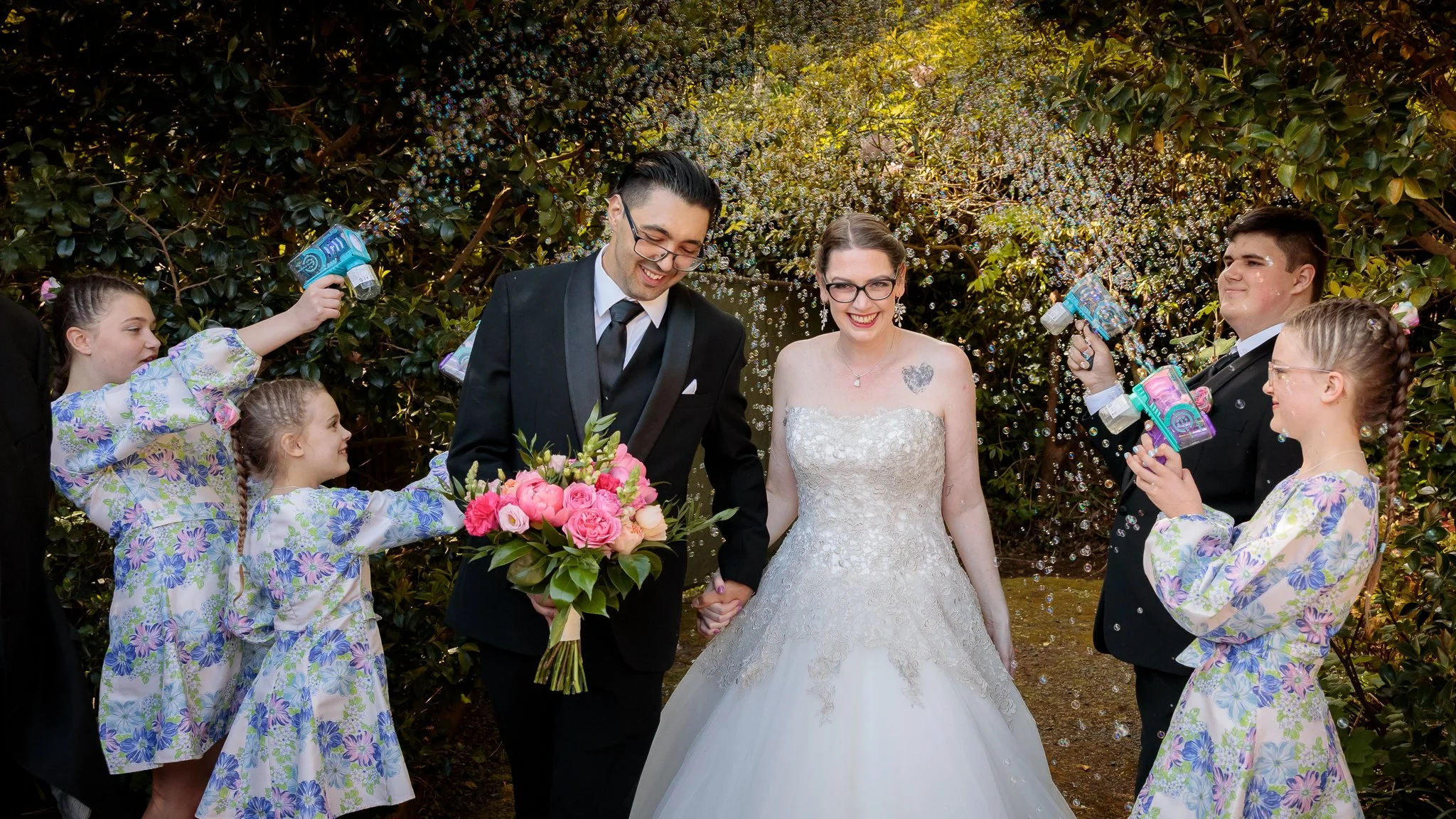
 Photography: Alan Rogers
Planning a wedding is one of the most exciting experiences you will share as a couple—but it can also bring a surprising number of opinions, expectations and decisions.
You may have different ideas about the size of the celebration, the guest list, the budget or the overall style. Then there are family traditions, cultural customs and well-meaning relatives who may have been imagining your wedding long before you became engaged.
The secret is not trying to make everyone happy. It is learning how to plan a celebration that feels genuinely like the two of you, while involving your families in ways that feel thoughtful and respectful.
Here’s how to find that balance without allowing wedding planning to become overwhelming.
Begin With Your Shared Vision
Before asking family members for ideas or booking your first supplier, sit down together and talk about the kind of wedding you both want.
Try not to become distracted by individual details just yet. Start with the bigger picture:
- How do you want the day to feel?
- Would you prefer an intimate celebration or a large party?
- Which traditions are genuinely meaningful to you?
- What are your three most important priorities?
- What are you willing to compromise on?
One person may dream of a formal ballroom reception while the other imagines a relaxed garden wedding. You do not necessarily have to choose one vision over the other. A beautiful celebration can combine elements of both.
For example, you might hold an elegant ceremony followed by a more relaxed outdoor reception, or choose a sophisticated venue while keeping the styling, food and entertainment informal.
The goal is to agree on the emotional heart of the wedding before becoming caught up in colours, menus and seating plans.


Decide Who Is Responsible for What
It can be tempting for the more organised partner to take control of almost everything. While this may appear efficient at first, it can quickly lead to stress, resentment and decision fatigue.
Instead, divide responsibilities according to your individual strengths and interests.
One partner might enjoy researching venues, photographers and entertainment, while the other may prefer managing the budget, guest accommodation or transport. Major decisions should still be made together, but every small task does not need two people overseeing it.
Family members and members of the wedding party can also help with specific jobs. These might include:
- Gathering guest addresses
- Following up outstanding RSVPs
- Researching transport options
- Preparing welcome bags
- Coordinating family photographs
- Helping with cultural or religious traditions
- Organising the hens or bucks celebration
Give each person a clearly defined responsibility rather than a general instruction to “help with the wedding”. People are far more useful when they understand exactly what is expected of them.
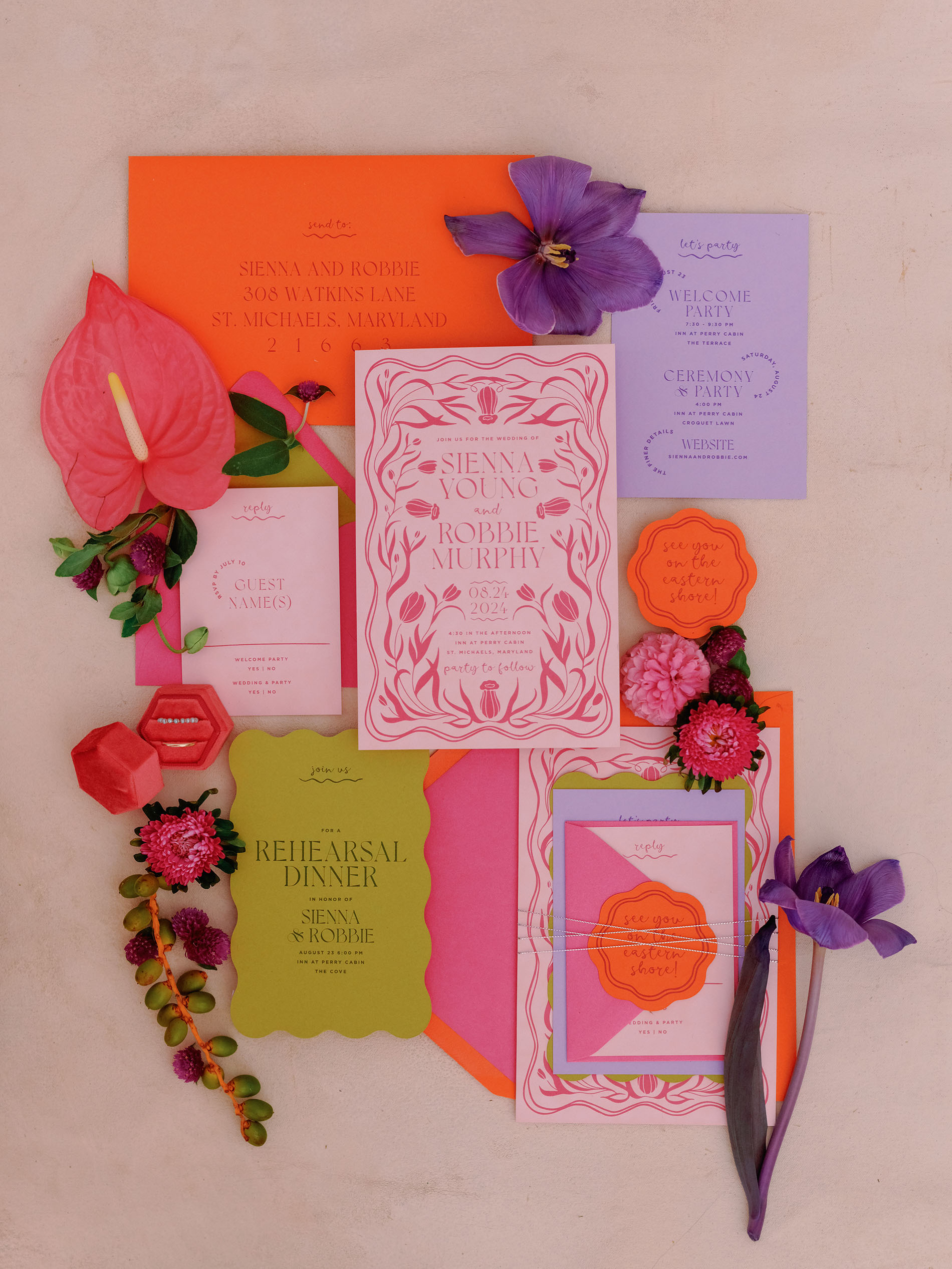 photo: Manda Weaver Photography | Invitation Suite: Made by Victoria Laine

Make Space for Family Traditions
Weddings can carry enormous emotional significance for parents and grandparents. A particular ceremony, piece of jewellery, family recipe or cultural custom may represent far more to them than you initially realise.
Ask both families whether there are traditions they would especially love to see included. Listen with an open mind, but remember that asking does not mean you must agree to every suggestion.
Choose the traditions that feel meaningful and authentic to you as a couple.
You might incorporate a family heirloom into your outfit, include a traditional reading during the ceremony, serve a dish connected to your heritage or invite a family member to perform a symbolic role.
When you decide not to include a particular tradition, explain your decision gently and early. It is usually easier for families to accept a boundary when they feel heard and understand the reasoning behind it.
Photo by: Hannah Miller Photography
Keep Everyone Working From the Same Information
Wedding plans can become confusing when details are scattered across emails, group chats, notebooks and text messages.
Create one central place where you and the people helping you can access the latest information. This could be a shared spreadsheet, cloud-based folder or project management platform.
Your central planning hub might include:
- Supplier names and contact details
- Payment dates
- Contracts and invoices
- Guest information
- Accommodation details
- The ceremony and reception timeline
- Styling notes
- Seating arrangements
- Transport schedules
- A list of outstanding decisions
This creates a single source of truth and reduces the likelihood of someone acting on outdated information.
Access should still be limited. Your florist may need the delivery schedule, but they do not need access to your complete budget or guest contact list. Share only the information each person genuinely requires.

Protect Your Wedding Information Online
Modern wedding planning is largely digital. Couples regularly email contracts, make online payments, store guest details and access planning documents from different locations.
That convenience also makes sensible digital security important.
Use strong, unique passwords for your email, banking, wedding website and planning accounts. Turn on two-factor authentication wherever it is available, and avoid sending complete payment or identity details through unsecured messages.
Be particularly careful when accessing sensitive information through public Wi-Fi in cafés, airports or hotels. Before using a privacy tool, it helps to understand what it actually protects. If you have ever searched “what is a VPN is vs proxy”, this guide provides a useful explanation of how the two differ.
You should also limit the personal information displayed publicly on your wedding website. Guests may need the venue, schedule and accommodation suggestions, but details such as private phone numbers, home addresses and travel dates do not necessarily need to be visible to everyone.

Protect Yourselves From Supplier Fraud
Wedding suppliers often require deposits months—or even years—before the celebration. Most are experienced, reputable professionals, but couples should still take reasonable precautions before transferring money.
Research each business carefully and look for:
- A professional website and established online presence
- Recent reviews from genuine couples
- Clear contact information
- Consistent business and bank account names
- A detailed written agreement
- Transparent cancellation and refund terms
- Appropriate licences or insurance where relevant
Be cautious if a supplier suddenly emails you with different bank account details. Contact the business using a phone number you have independently verified before making the payment.
Keep copies of contracts, invoices, receipts and important correspondence in your central wedding folder. Consider using a credit card for major payments where appropriate, as it may provide additional consumer protections.
Wedding insurance may also be worth investigating, particularly when planning an expensive celebration or booking suppliers well in advance.

Create a Rule for Resolving Disagreements
Even the most compatible couples will not agree on every wedding decision.
Before tensions arise, decide how you will handle disagreements. You might each nominate several non-negotiable priorities and agree to be more flexible on everything else.
For smaller decisions, consider giving the final say to the person who cares most strongly about that particular detail. If one partner is passionate about the music and the other has strong opinions about the menu, allow each person to lead in their preferred area.
When family members disagree with your choices, present decisions as a united couple. Avoid suggesting that one partner is responsible for an unpopular decision, as this can create unnecessary tension and resentment.
 Photo: Milan Markovic/Getty Images
Remember What the Wedding Is Really About
It is easy to become consumed by flowers, table plans, family politics and endless supplier decisions. But your wedding is not a performance designed to satisfy every person in attendance.
It is a celebration of your relationship and the life you are choosing to build together.
Listen to the people you love. Honour the traditions that matter. Accept help when it is genuinely helpful. Most importantly, keep returning to the shared vision you created at the beginning.
The most memorable weddings are rarely the ones in which every detail was perfect. They are the ones that felt personal, joyful and unmistakably true to the couple at the centre of them.
 Photo: The house magazine
