
Once considered a finishing touch, wearable flowers are stepping into the spotlight. From sculptural wrist corsages to pocket meadows and personalised lapel pieces, these small-scale designs can bring style, meaning and cohesion to the entire wedding party.
In collaboration with Spearwood Florist.
For years, wearable flowers occupied a predictable corner of wedding styling: a rose pinned to a lapel, a cluster of blooms tied around the wrist and perhaps a miniature version of the bridal bouquet. Today, that familiar formula is being reimagined.
Couples are paying closer attention to the details that appear in photographs, connect the wedding party and express the character of the day. Working with an experienced local florist, such as Perth-based Spearwood Florist, allows the broader floral vision to be translated into wearable pieces designed around the person, the outfit and the setting—not simply repeated in miniature for everyone.
Wearable Flowers, Reimagined
The traditional buttonhole usually featured one focal flower, a touch of foliage and a neatly wrapped stem. The classic wrist corsage followed an equally familiar formula. Both still have their place, but modern wearable florals offer far more room for personal expression.
Today’s designs may be architectural, asymmetrical, delicate, textural or deliberately minimal. Rather than looking like reduced bouquets, they are created as accessories in their own right: floral brooches, botanical cuffs, pocket arrangements and compact pieces of living sculpture.
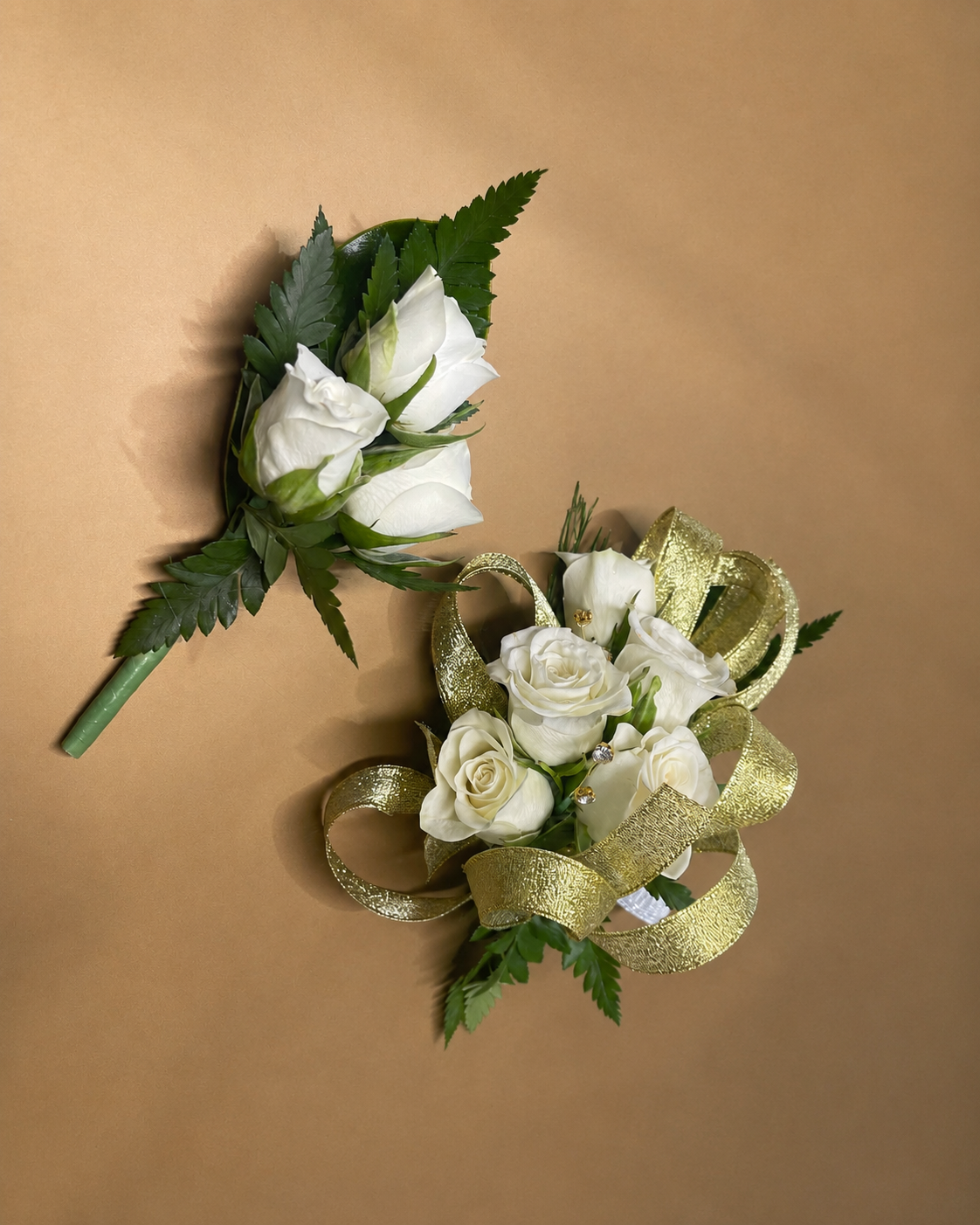
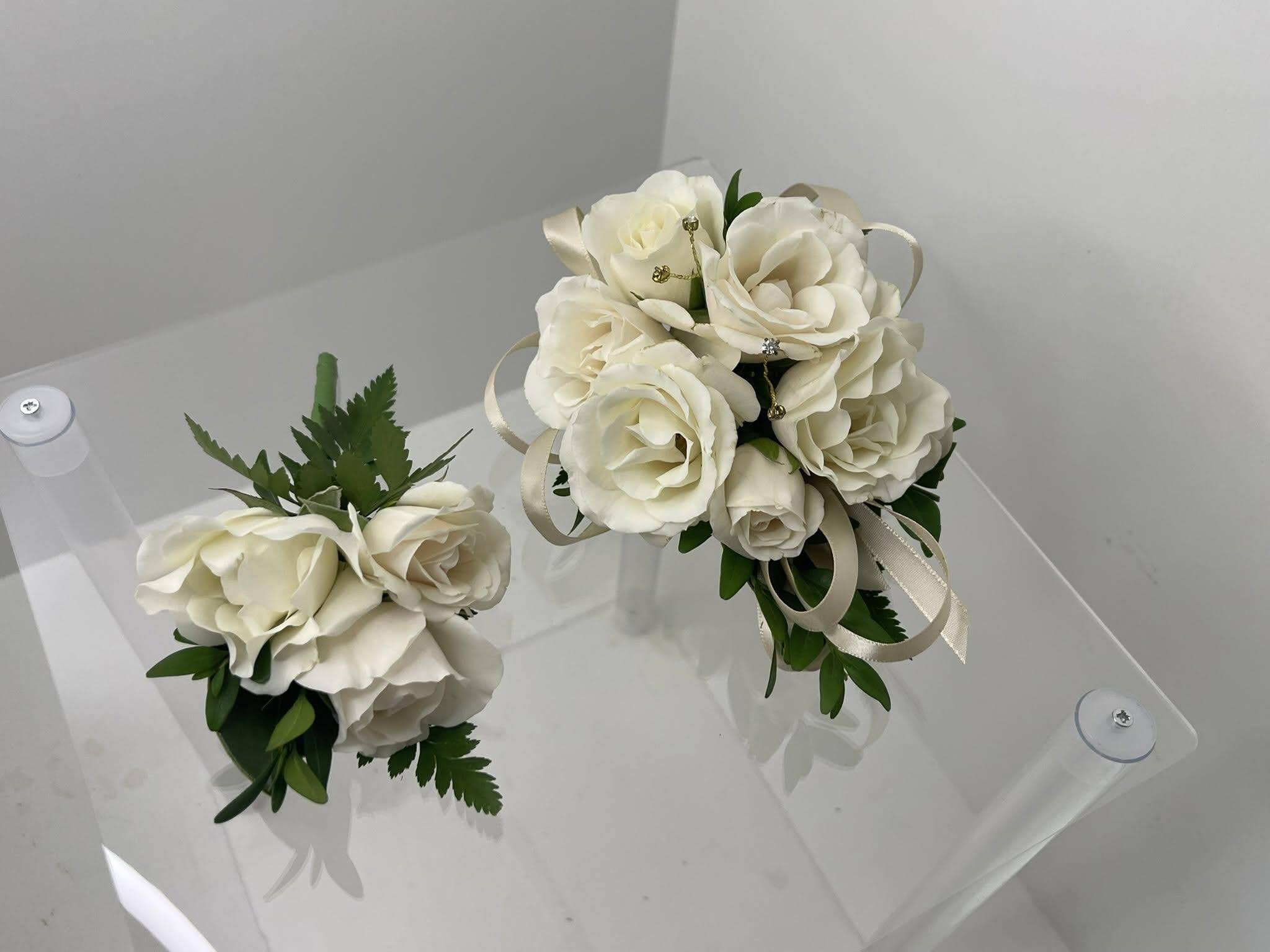 Ivory roses and delicate greenery create a timeless buttonhole and coordinating wrist corsage.
The Statement Corsage Returns
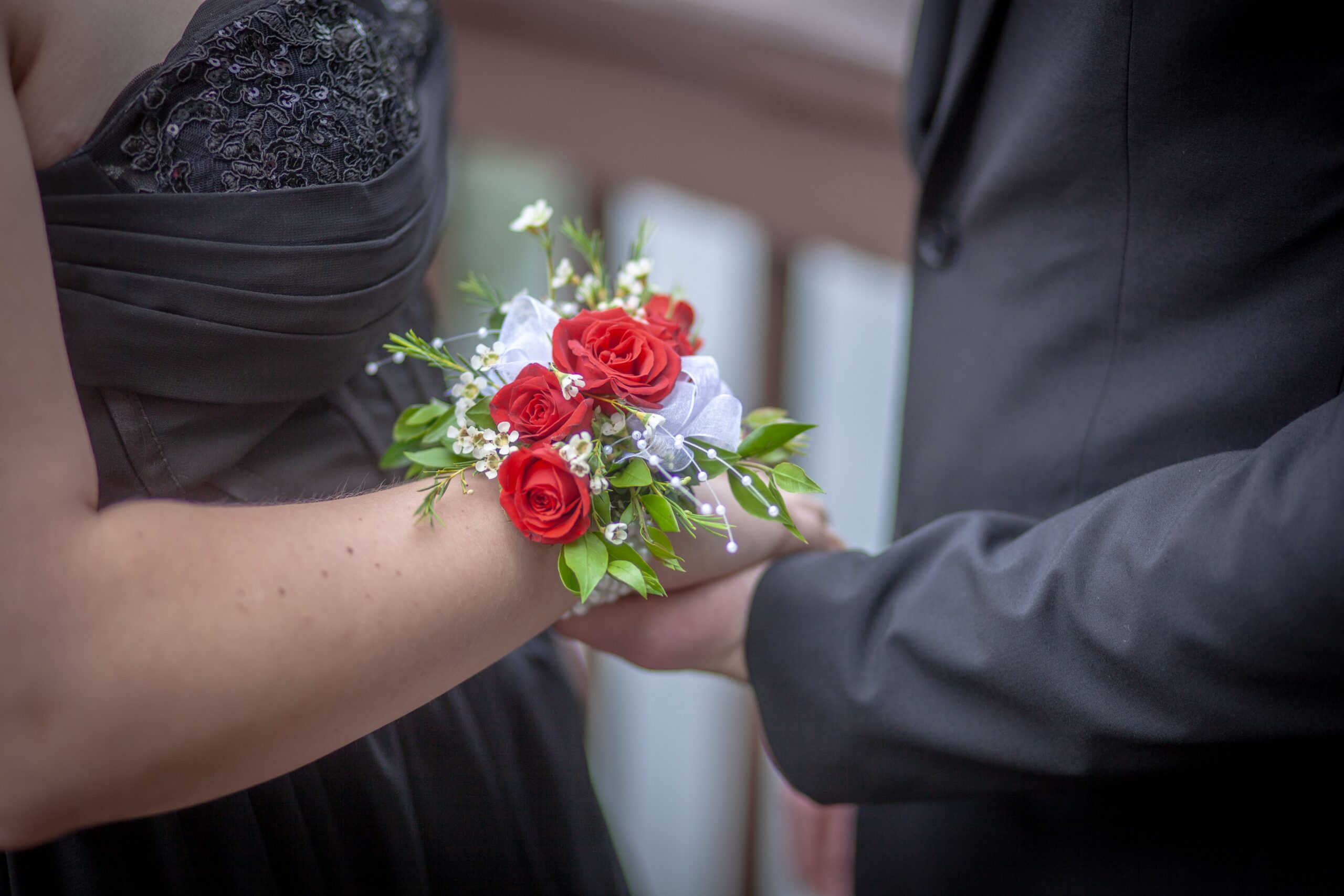
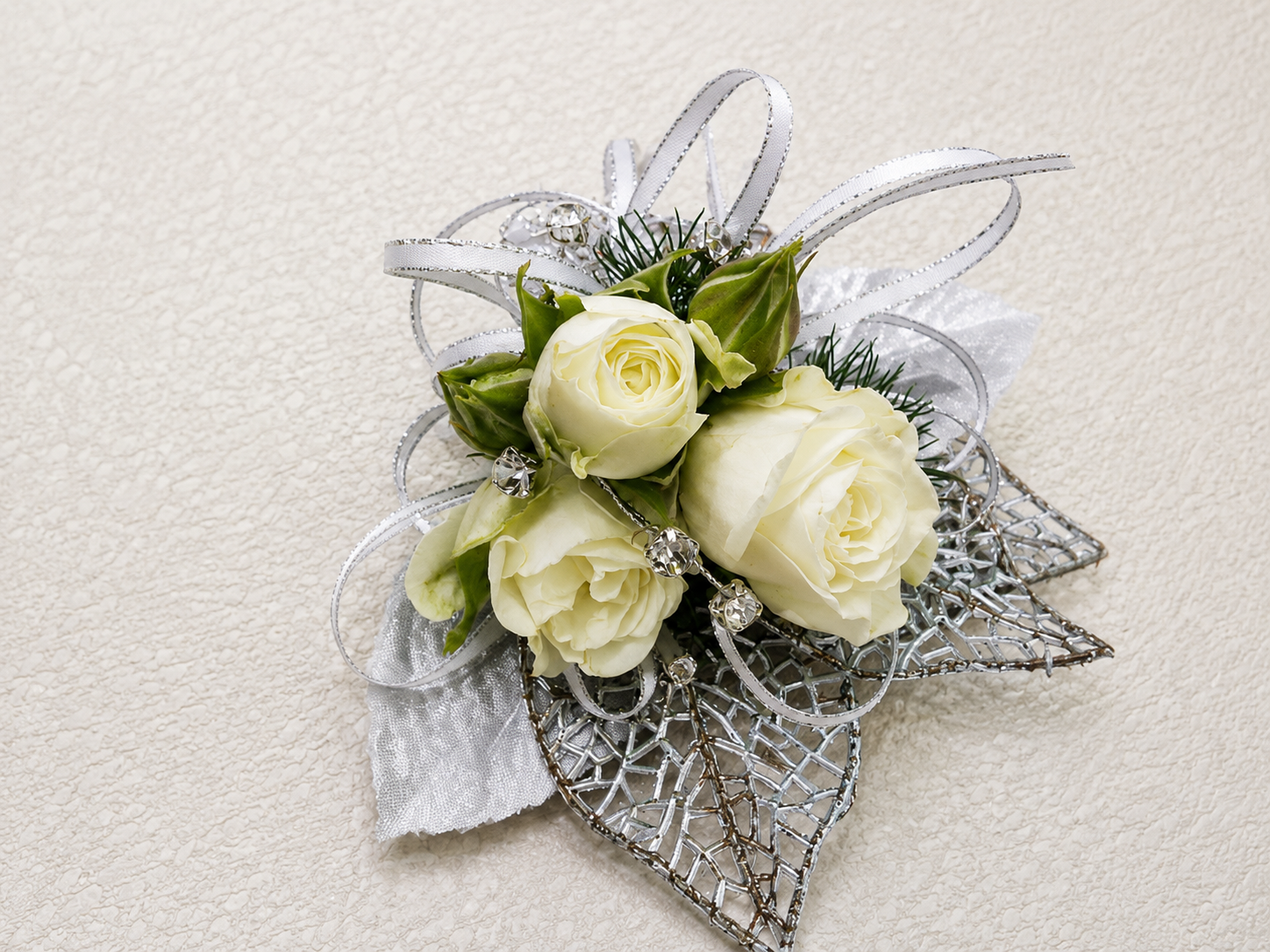
The corsage is no longer limited to an elastic wristband topped with a dense cluster of flowers. Florists are experimenting with ribbon ties, metal cuffs, pearl bracelets, fabric bases and light, delicate structures that sit comfortably against the wrist or forearm.
A contemporary corsage might feature one sculptural bloom with fine foliage, a trail of tiny flowers arranged along a slim band or a textural composition that wraps partially around the wrist. Orchids bring a refined, fashion-led feel, while roses, lisianthus, berries and native textures create something softer and more organic.
Wearable flowers can also move beyond the wrist. Depending on the garment and the construction of the piece, flowers may be placed at the shoulder, neckline, waist or on a handbag. These options are particularly beautiful for mothers of the couple, grandmothers, bridesmaids who are not carrying bouquets and honoured guests whose role deserves a thoughtful point of distinction.
The most successful statement corsage complements an outfit without competing with it. A minimalist dress can carry a more adventurous botanical piece, while beading, lace or heavily embellished fabrics usually call for restraint. However striking the design, it should still allow the wearer to greet guests, hold a glass and embrace family comfortably.
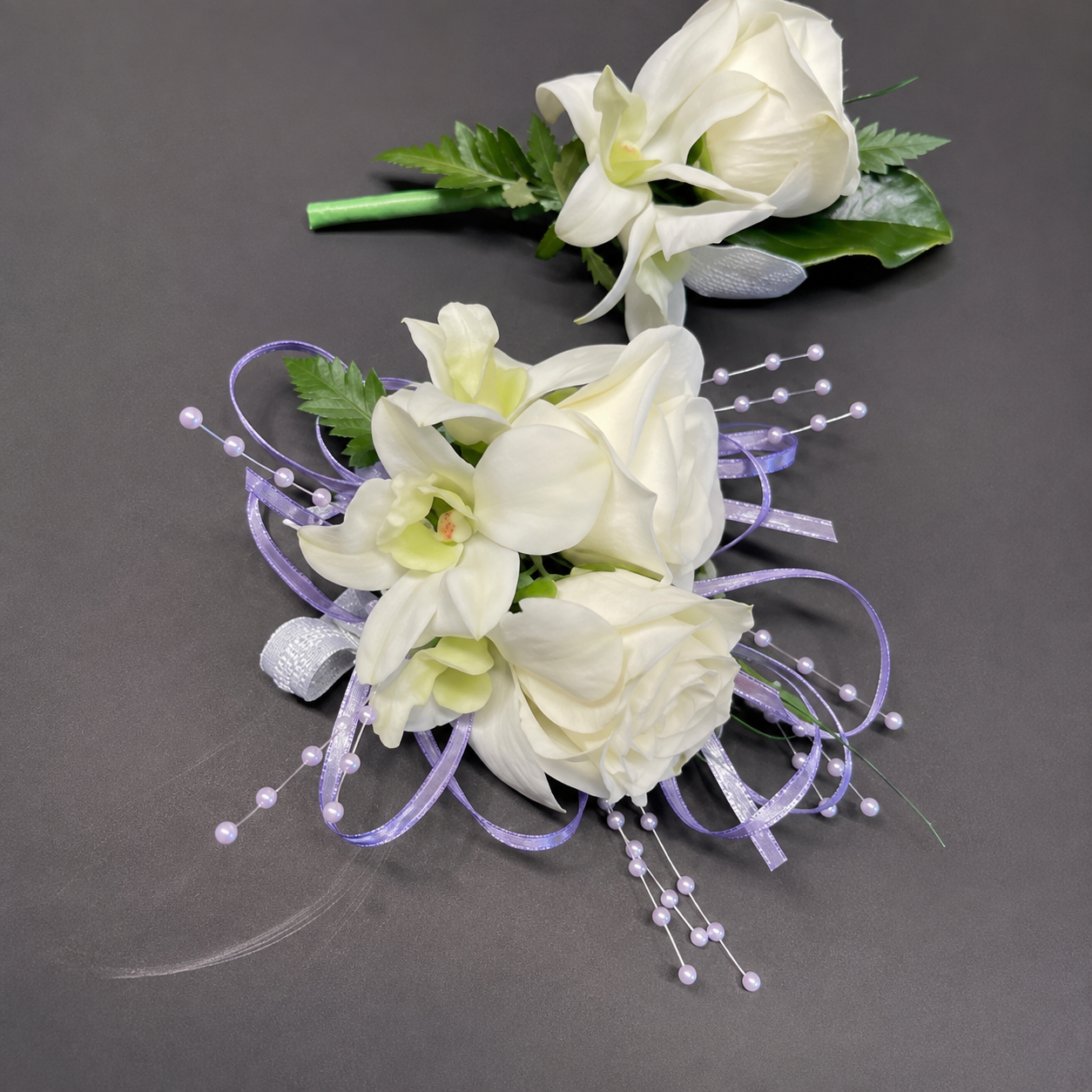
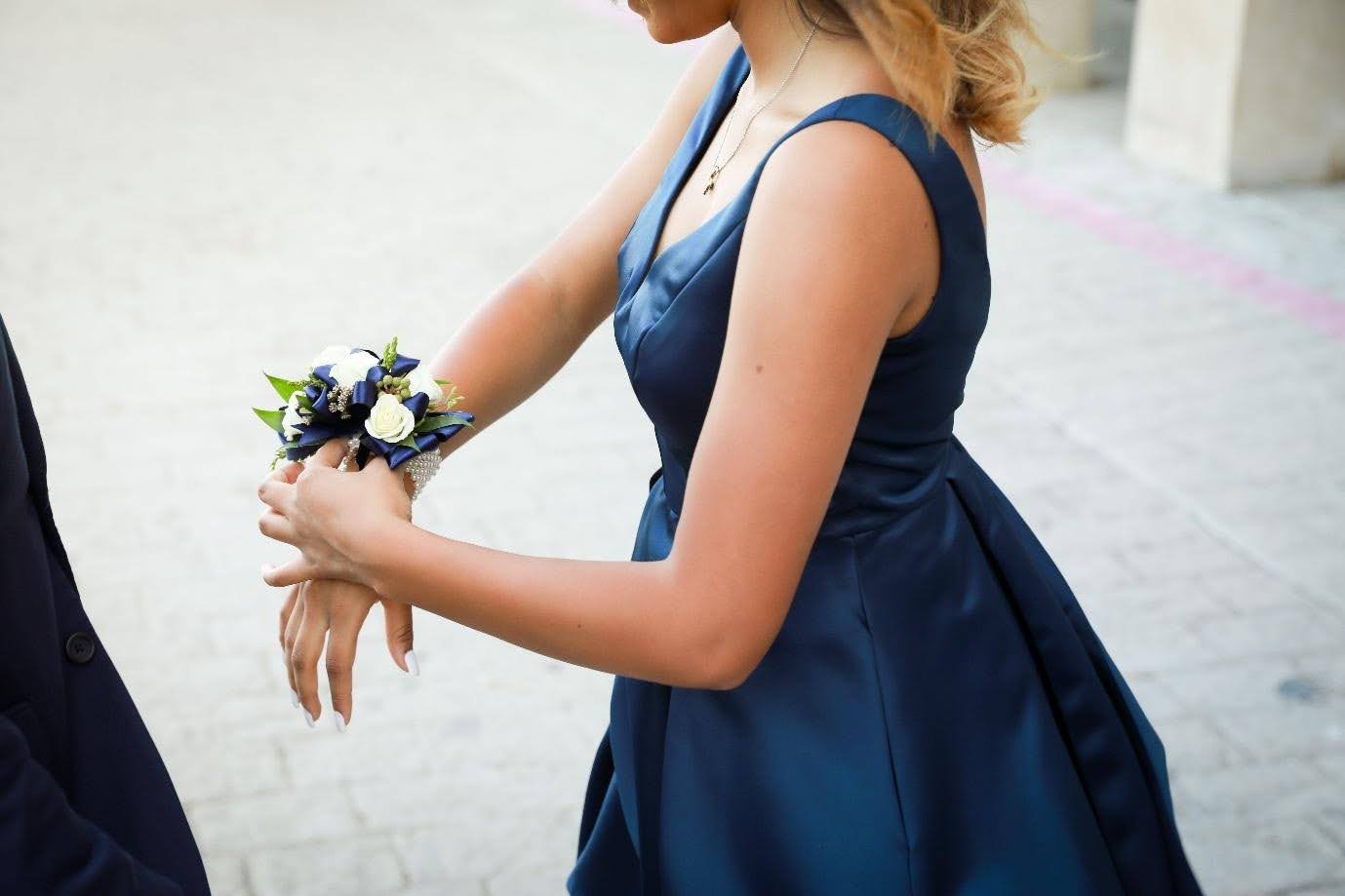 A blue-and-white wrist corsage brings an elegant finishing touch to navy formalwear.
Buttonholes Meet Modern Tailoring
The modern buttonhole—or boutonniere—is receiving the same considered treatment. Instead of placing an identical rose on every suit, florists are designing pieces that respond to lapel width, fabric colour, jacket style and the wearer’s personality.
A black or navy suit may be lifted by a crisp white bloom and a fine line of greenery. Linen, tweed and softly tailored suits can carry more texture, including seed heads, dried grasses or small native elements. For a groom who wants a stronger fashion detail, a fuller floral cluster or pocket meadow can replace the conventional single stem.
Pocket flowers are among the most striking developments in wearable floristry. Designed to sit securely in the breast pocket, they create the impression of flowers emerging naturally from the jacket. They can be sleek and monochromatic or loose and garden-inspired, and work especially well when the rest of the outfit is simple.
There is also no need for every member of the wedding party to wear exactly the same piece. The groom may carry a distinctive focal bloom while attendants wear smaller variations. Fathers, siblings and celebrants can each receive a related design that acknowledges their role without creating a rigid uniform.
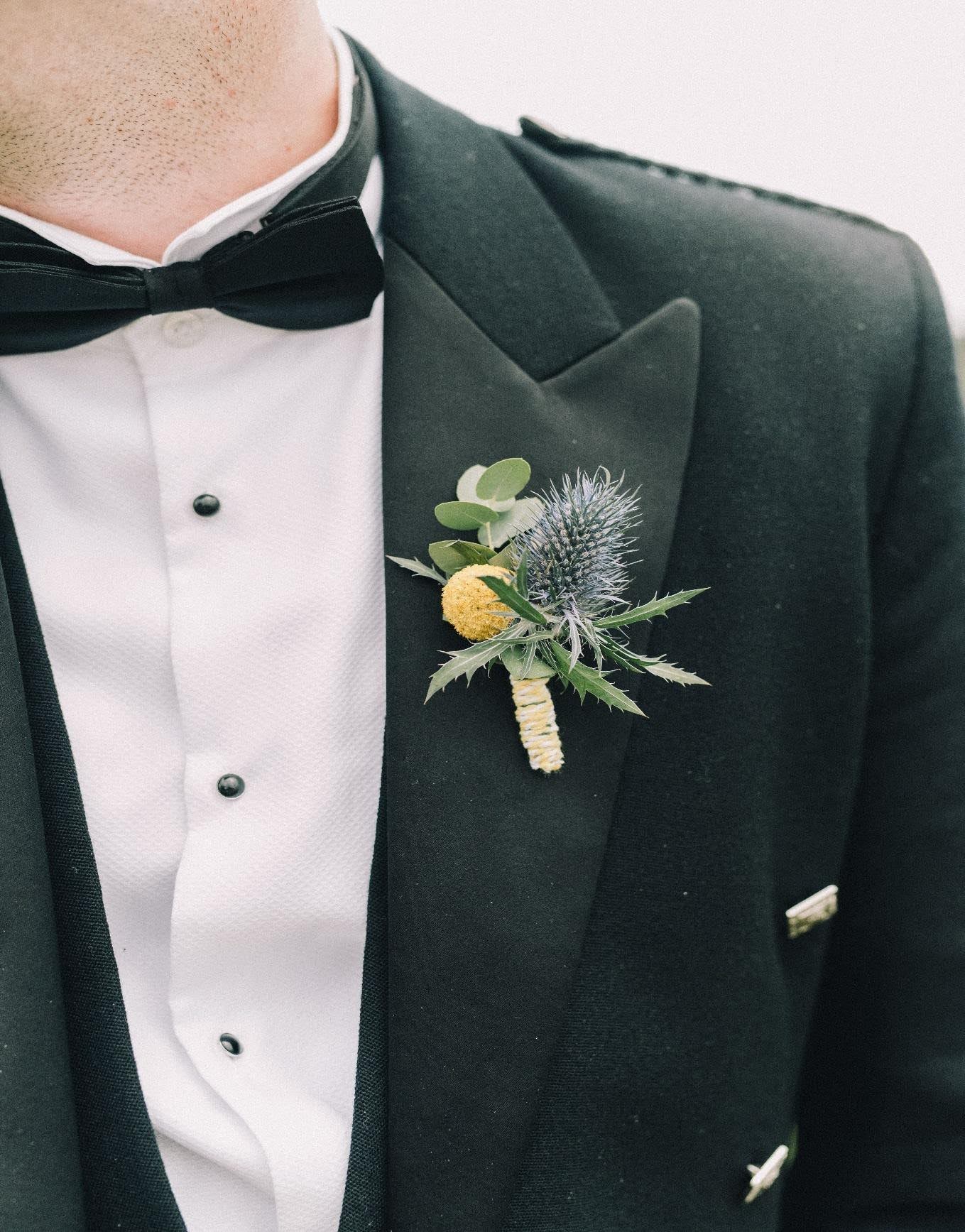 Sea thistle, craspedia and fine eucalyptus create striking contrast against a formal black lapel.
Start With the Outfit
Beautiful wearable flowers begin with the clothing—not simply the wedding colour palette. Your florist will need to understand the fabric, neckline, lapel structure, jewellery and accessories involved before recommending the scale, shape and placement of each piece.
Fine fabrics require particular care. A heavy floral design can pull at silk, satin or lightweight suiting, so it may need a supported base, hidden magnets or an alternative placement. Magnetic fastenings may be unsuitable for some people with implanted medical devices, which makes an early conversation important. Traditional pins remain useful, but they should be positioned securely and the wearer should know how the piece is attached.
Colour matching should feel considered rather than overly literal. A corsage does not need to reproduce the exact shade of a bridesmaid dress. Tonal combinations often appear more sophisticated: dusty rose with plum, soft apricot against rust, or ivory layered with warm neutrals. Greenery can provide the visual connection when matching flowers too closely would feel forced.
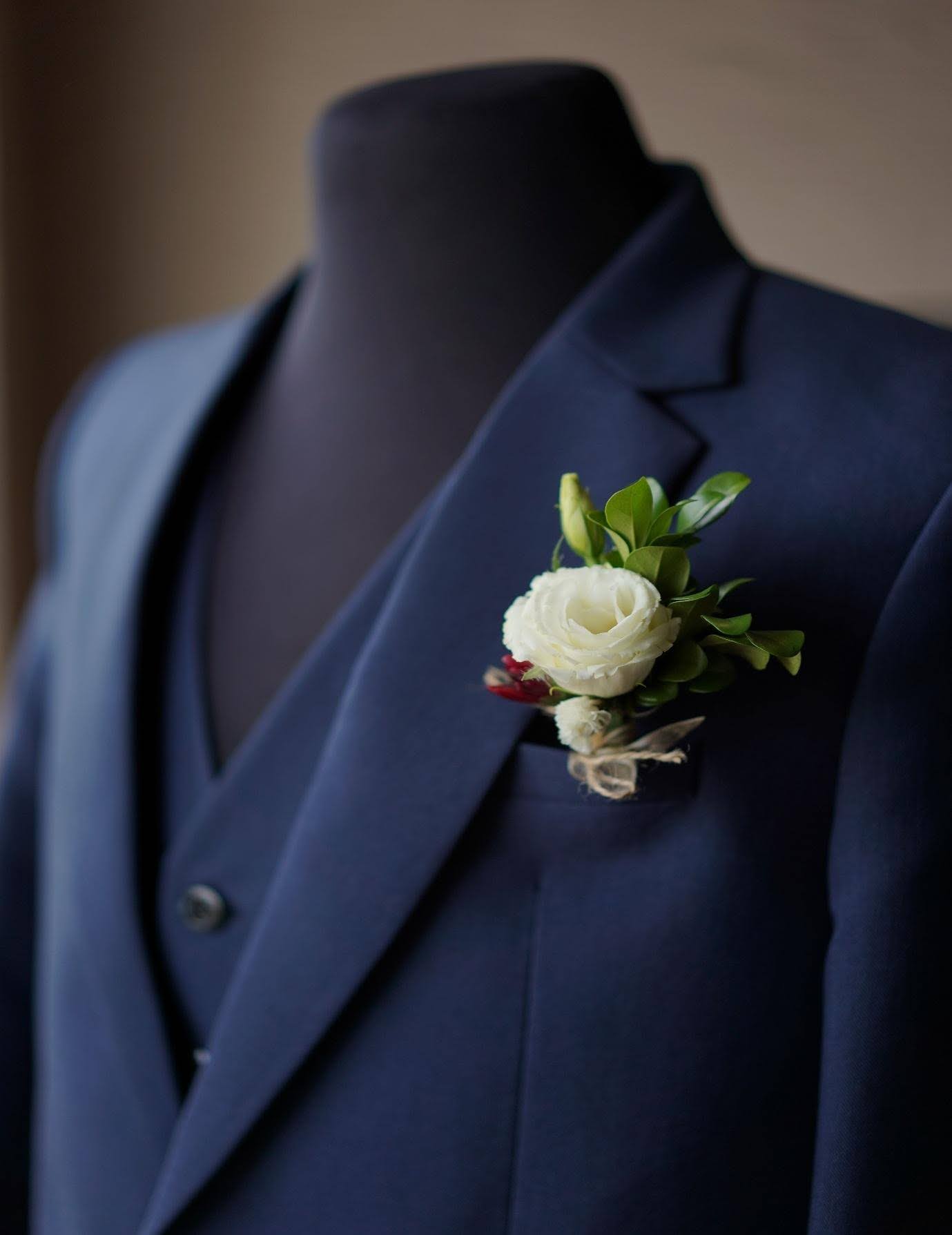 A compact ivory bloom and fresh greenery create a clean, tailored finish against navy suiting.
Fresh, Dried or Preserved?
Fresh flowers bring softness, movement and a sense of occasion, but the chosen varieties must be able to tolerate handling and body warmth. A delicate bloom may look perfect in a studio and struggle through a warm outdoor ceremony, repeated hugs and hours on the dance floor.
Dried and preserved materials add durability, structure and texture. They can work beautifully for neutral, rustic and fashion-forward weddings. Combining fresh and dried elements often provides the best balance: softness from petals, definition from preserved foliage and texture from grasses or seed heads.
A Detail With Meaning
Wearable flowers can carry emotional meaning as well as style. A mother’s corsage might include the flower she carried at her own wedding. A grandparent’s favourite bloom may appear in the groom’s buttonhole. A piece of ribbon, fabric or jewellery can sometimes be incorporated as a private tribute.
These gestures are especially powerful because the flowers remain close to the wearer throughout the ceremony. They appear in greetings, portraits, speeches and embraces—the moments in which a small personal detail can become part of the story of the day.
Wearable botanicals can also make the wedding party feel more inclusive. Not everyone wants to carry a bouquet or wear a conventional lapel flower. Floral brooches, cuffs, pocket pieces and alternative placements allow each person to choose something suited to their clothing and identity while still feeling connected to the wider floral design.
That flexibility can extend beyond traditional wedding-party roles. A reader, witness, celebrant, flower person or close friend may be recognised with a small wearable arrangement. Couples can also choose matching botanical details for themselves rather than assigning bouquets and buttonholes according to convention.
How to Plan Wearable Flowers
Discuss wearable flowers early enough for your florist to understand both the wardrobe and the overall floral plan. Share reference images of dresses, suits, jewellery and accessories, and identify who will receive flowers, how long they will be worn and whether the day involves heat, travel or energetic dancing.
Ask how each piece will attach, how it should be stored and when it should be put on. Buttonholes are traditionally worn on the left lapel, but the final position should follow the jacket and the design. Corsages should feel secure without being tight.
It is also worth considering whether jackets will be removed during the reception. A buttonhole created for a structured lapel may not transfer successfully to a lightweight shirt. In that case, a pocket piece, floral pin or second attachment option can be discussed during the design process.
Until they are needed, wearable flowers should generally be kept cool and protected. Avoid leaving them in direct sunlight or inside a hot vehicle, and minimise handling before the ceremony. Clear labels will help ensure that every arrangement reaches the correct person without last-minute confusion.
Most importantly, do not treat corsages and buttonholes as leftovers to be assembled from whatever remains after the bouquets. Their scale may be small, but their construction requires precision. Every stem, fastening and angle will be visible at close range.
One Floral Story, Beautifully Connected
The most cohesive wedding flowers share a common visual language without repeating the same arrangement at every scale. A sculptural bloom from the bouquet might reappear in the groom’s buttonhole; a soft accent colour can move from the ceremony flowers into a bridesmaid’s corsage; and a textural detail can link a father’s lapel piece to the reception styling.
These subtle connections make the floral plan feel intentional while leaving room for individuality. Whether it is a sculptural orchid cuff, a native-inspired buttonhole, a pocket meadow or a flower attached to a treasured handbag, wearable botanicals bring the people themselves into the floral story—and help the wedding party look connected without appearing overly uniform. Small in scale, they can still make a beautiful impact.


All images courtesy of Spearwood Florist.